
Remedial Works vs Maintenance: What’s the Difference (and Why It Matters for Strata)

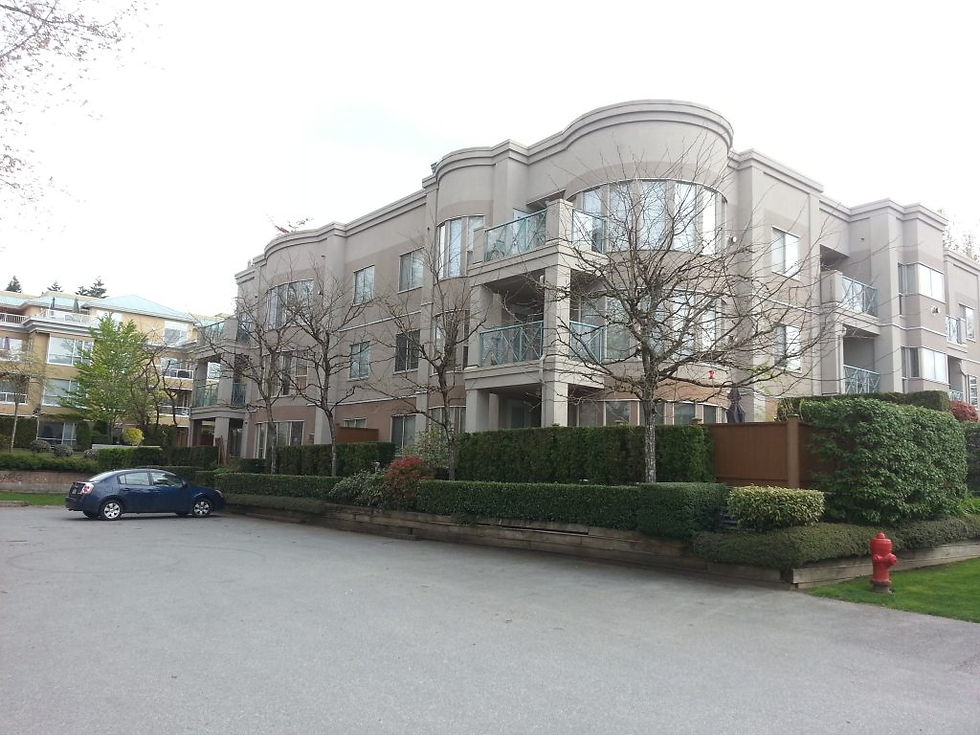
One of the most common (and costly) mistakes in strata buildings is treating remedial issues as maintenance.
While both involve repairing parts of a building, maintenance and remedial works are fundamentally different in purpose, scope, risk, and long-term outcome.
Understanding the difference helps strata committees make better decisions, control costs, and reduce liability.
What Is Maintenance?
Maintenance refers to routine or reactive works that keep a building in serviceable condition.
Typical Maintenance Examples
Painting and touch-ups
Replacing sealants
Minor patch repairs
Regrouting tiles
Replacing damaged fixtures
Purpose of Maintenance
✔ Preserve appearance
✔ Maintain functionality
✔ Address minor wear and tear
✔ Short-term upkeep
Maintenance assumes the underlying structure or system is sound.
What Are Remedial Works?
Remedial works address defects, failures, or deterioration that affect the building’s performance, safety, or durability.
Typical Remedial Examples
Concrete spalling and corrosion repairs
Balcony or podium waterproofing replacement
Structural crack repairs
Façade stabilisation
Slab or footing rectification
Purpose of Remedial Works
✔ Fix root causes
✔ Restore structural integrity
✔ Prevent ongoing damage
✔ Extend building life
Remedial works are corrective, not cosmetic.
Why the Confusion Happens
Many building defects look minor at first, such as:
Small cracks
Water stains
Loose tiles
Flaking paint
Because the symptoms appear superficial, they are often treated with maintenance solutions — even when the cause is structural or waterproofing-related.
This is where problems escalate.
Maintenance vs Remedial – Side-by-Side Comparison
Aspect | Maintenance | Remedial Works |
Focus | Upkeep | Defect correction |
Scope | Surface-level | System-level |
Cost | Lower upfront | Higher upfront |
Lifespan | Short-term | Long-term |
Risk if delayed | Low | High |
Repeat works | Common | Rare if done properly |
Applying maintenance where remedial works are required usually leads to repeat failures and escalating costs.
When Maintenance Is Appropriate
Maintenance is suitable when:
Damage is superficial
No movement or water ingress is present
The underlying system is sound
Issues are isolated and stable
In these cases, maintenance can be effective and cost-efficient.
When Remedial Works Are Necessary
Remedial works should be considered when there is:
Ongoing water ingress
Structural movement or cracking
Concrete deterioration
Repeated failures despite maintenance
Safety or compliance concerns
If the same issue keeps returning, it’s usually not a maintenance problem.
The Cost of Getting It Wrong
Treating remedial issues as maintenance often results in:
Multiple repair cycles
Increased damage behind finishes
Higher eventual repair costs
Safety and liability exposure
Frustration for owners
In many strata buildings, the cost of repeated maintenance over several years exceeds the cost of one properly executed remedial project.
A Smarter Approach for Strata Committees
A balanced strategy includes:
Early identification of defects
Professional assessment where needed
Clear distinction between maintenance and remedial scope
Planning and staging remedial works
This approach improves budgeting accuracy and reduces long-term risk.
Final Thought
Maintenance keeps a building looking acceptable.
Remedial works keep a building safe, durable, and functional.
Knowing when to shift from maintenance to remedial action is one of the most important decisions a strata committee can make — and one that directly impacts cost, safety, and asset value.


Comments